
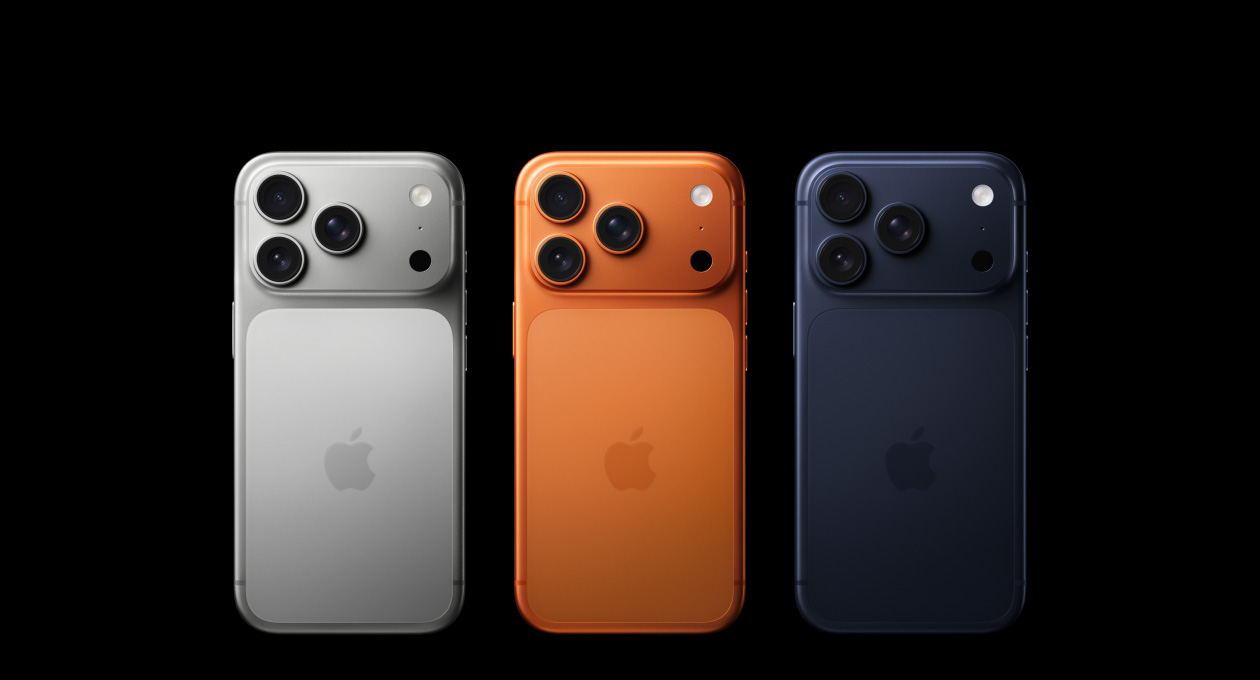
Apple may have been criticised for its lack of innovation and for falling behind in the AI race, while also continuing to lose talent to other Silicon Valley giants. However, one thing that remains strong, despite intense competition, is the iPhone. The newly launched iPhone 17 series, in particular, appears to be generating significant consumer interest, helping keep Cupertino afloat and maintaining the company’s position at the top of the global smartphone market.
In fact, Apple is set to ship more smartphones than Samsung in 2025, according to analysts at Counterpoint Research. The research firm predicts that Apple will surpass Samsung in smartphone shipments for the first time in 14 years. Cupertino may ship 243 million phones this year, while Samsung will ship 235 million smartophones. Samsung last occupied the top position as the world’s number one phone manufacturer.
“Beyond the highly positive market reception for the iPhone 17 series, the key driver behind the upgraded shipment outlook lies in the replacement cycle reaching its inflection point. Consumers who purchased smartphones during the COVID-19 boom are now entering their upgrade phase,” Counterpoint Research Senior Analyst Yang Wang said in the note.
The research firm forecasts that Apple will hold the top spot in the global smartphone market through 2029. Apple’s iPhone 17 series, which consists of three models including the top-end iPhone 17 Pro Max, is getting strong interest across key regions, Counterpoint said. iPhone shipments are projected to rise 10 percent in 2025 compared with last year, far outpacing the 3.3 percent growth expected for the overall smartphone market.
According to Counterpoint, iPhone 17 sales in the US during the first four weeks of its release were up 12 per cent compared with the iPhone 16 series (which does not include the lower-cost iPhone 16e model). During the same period, iPhone 17 sales in China were up 18 per cent versus the previous model series, with Counterpoint noting that the iPhone Air was not included in the initial release in China.
Samsung, meanwhile, could face challenges in the low-to mid-range segment from Chinese brands, which could derail the South Korean company’s chances of remaining at the top of the global smartphone market.
Counterpoint also noted that Apple has “benefited from lower-than-expected” impacts from US tariffs and a softening of geopolitical tensions.